


Buying a house in the Netherlands: finding the right balance between heart and head

You walk into a house and immediately feel it. This could be your new home. The bright living room, the lovely kitchen, the garden where you can already imagine yourself relaxing. In your mind, you’ve started arranging your furniture. And before you know it, there’s only one thing you want: to buy this house.

Sound familiar? We completely understand.

At Vivo Aankoopmakelaars, we regularly see how excited buyers become when they find a property they love. And there’s absolutely nothing wrong with that. In fact, we believe your feelings should play an important role when buying a home. After all, you want to feel happy and comfortable living there.

But when you’re excited, it’s especially important to keep looking at the facts. Does the property really suit your needs? Is the asking price realistic? And what would a higher offer mean for your financial situation?

We believe buying a house is not about ignoring your emotions. It’s about finding the right balance between heart and head. So how do you do that? We’d love to share our advice.

Falling in love with a house? That’s perfectly normal

Buying a house is not an everyday decision. You’re choosing a place where you’ll live, create memories and perhaps spend many years. It’s only natural that emotions are involved.

Maybe you’re buying your first home and have finally found something that seems to fit your budget. Perhaps you’re looking for more space for your family and can already picture everyone sitting around the dining table. Or maybe you’re ready to move into a smaller, more manageable home. Each situation comes with its own emotions.

What we notice in our daily work is that buyers quickly start imagining their future during a viewing. You’re not just looking at the property as it is today. You’re picturing what your life could look like there.

And that’s a wonderful part of finding a home.

At the same time, that excitement can make it harder to look critically at the property. The outdated bathroom suddenly doesn’t seem like such a big issue. You barely notice the busy road behind the garden. And the fact that the asking price is slightly above your budget? You might convince yourself you’ll find a way to make it work.

That’s exactly when having someone by your side can make a difference. Not to take away your excitement, but to help you consider whether the house really is the right choice for you.

Don’t let the Dutch housing market rush your decisions

If you’re looking for a house in Leiden, Oegstgeest, Leiderdorp or the surrounding area, you’ll know that finding the right property can be exciting and challenging. You’ve finally found a home you love, but chances are you’re not the only person interested.

And then the questions begin. What if another buyer offers more? Do you need to decide immediately? Will you find another house like this?

We understand those thoughts, especially if you’ve already viewed several properties or missed out on homes you really liked.

But making a decision in a hurry isn’t always the best approach.

Imagine viewing a property in Leiderdorp. The layout is exactly what you’re looking for, you love the neighbourhood and you can easily picture yourself living there. You’re considering making a high offer to increase your chances.

But have you compared the property with similar homes in the area? Do you know what condition it’s in? And will you still have enough money available for possible renovations?

These are important questions to answer before making an offer.

Our most important advice is to know your limits before you start bidding. Not just how much you can borrow, but also how much you feel comfortable spending. Think about which requirements really matter to you and where you’re willing to compromise.

Having those boundaries in place makes it easier to stay calm when things become exciting.


Why is the asking price different from a property’s market value?


Not on what you think other buyers might offer. And not on stories you’ve heard from people around you.

The highest offer doesn’t always win, either.

When considering an offer, sellers look beyond the purchase price. They also consider factors such as certainty of financing, the proposed completion date and flexibility.

A lower offer with favourable conditions may therefore be more attractive to a seller than a higher offer with several conditions attached.

For example, a seller who has already purchased another property may prefer a buyer who can agree to their desired completion date.

Financial conditions also play a role. A seller may consider an offer with fewer conditions more attractive, although this can involve additional risks for the buyer.

That’s why it’s important to understand the implications of the conditions you include in your offer before making a decision.

Making a smart offer doesn’t automatically mean making the highest offer.

It means making an offer that is well supported by the facts and reflects both the property’s value and your personal circumstances.

A beautiful house should also be a sensible purchase

During a viewing, your attention naturally goes to the atmosphere of a home. Is there enough natural light? Does the space feel comfortable? Can you imagine yourself living here?

Of course, we look at those things with you. But we also pay attention to details you might not immediately notice.

How well has the property been maintained? Are there concerns about the roof, window frames or heating system? What do the property documents tell us? And does the asking price make sense when compared with similar homes in the area?

A house can look beautiful while still needing considerable maintenance. That doesn’t necessarily mean you shouldn’t buy it. But you do need to understand what you’re buying and which additional costs you might face.

The same applies to the price.

In the Netherlands, the asking price (vraagprijs) isn’t automatically the same as the market value. A property may be listed at an attractive price to encourage interest, while another may be priced relatively high.

As buying agents in Leiden and the surrounding area, we help you understand the difference. We research the property, consider the local housing market and discuss what a reasonable offer could look like.

And it’s not just about the amount you offer. The conditions of your offer matter too.

For example, you may want to include a financing condition (voorbehoud van financiering) or a building inspection condition (voorbehoud van bouwkundige keuring). In a competitive bidding situation, leaving out these conditions might seem attractive. But doing so can also expose you to financial risks.

That’s why we discuss your options and the possible consequences before you make an offer.

And if we have concerns about a property? We’ll tell you honestly. Even if you’ve completely fallen in love with it.

Not because we want to make the decision for you, but because we believe you deserve a clear and complete picture.

You don’t have to figure everything out on your own

Buying a house involves many decisions. From understanding your budget and assessing properties to making an offer, negotiating and reviewing the purchase agreement.

If you’re buying your first home in the Netherlands, this can feel quite overwhelming. And even if you’ve bought a house before, there’s still a lot to think about.

For international buyers, there’s often an additional challenge. The Dutch home buying process may be different from what you’re used to, and important documents are usually written in Dutch.

Meanwhile, your everyday life carries on.

At Vivo, we work exclusively for buyers. That means there’s only one interest we represent: yours.

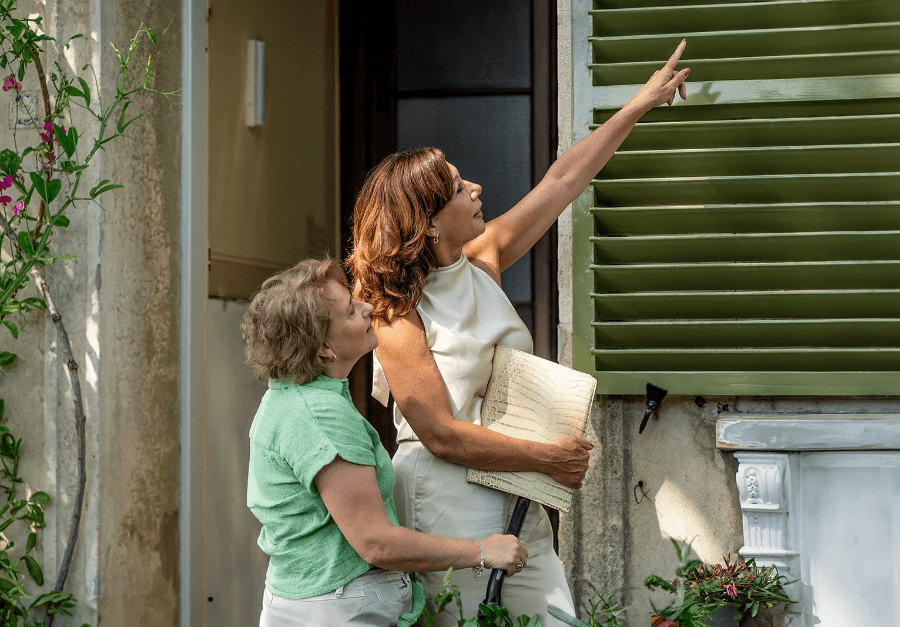
We start by listening to what you’re looking for and helping you understand your options. We join you during viewings, discuss the positive aspects of a property and point out anything that deserves closer attention.

We also support you when it’s time to make an offer and negotiate. Together, we develop a bidding strategy that suits the property, the market and your financial limits. We then handle negotiations with the seller’s agent on your behalf.

This takes a lot of work and pressure off your shoulders.

For our international clients, we explain the process in clear English, including the documents, important deadlines and what happens after your offer is accepted.

What matters most to us is that you understand the decisions you’re making.

We don’t want you to look back and wonder whether you got carried away by the excitement. We want you to feel confident that you’ve considered the property carefully and made a decision that works for you.

And if you eventually decide not to make an offer? That’s perfectly fine too.

Not every beautiful house has to become your home.

The right home feels good and makes sense on paper

Ultimately, buying a home is about much more than four walls and a roof. You’re looking for a place where you enjoy coming home, where you feel comfortable and where you can start a new chapter with confidence.

Your feelings absolutely deserve a place in that decision.

But a good feeling alone isn’t enough. You also want to know that the property fits your budget, that you understand its condition and that you’re comfortable with the agreements you’re making.

Finding that balance is at the heart of what we do.

Xandra and Sandra are here to think alongside you, ask the right questions and help you keep a clear overview. Especially when the excitement and pressure start to build.

Because the best part isn’t just receiving the keys to your new home. It’s also being able to look back on the entire journey with a good feeling.

Frequently asked questions about buying a house in the Netherlands

How can I avoid making an emotional decision when buying a house?

Start by defining your budget, priorities and limits before viewing properties. During a viewing, pay attention to how the home feels, but also consider its condition, location, asking price and future maintenance costs. An independent buying agent can help you compare your feelings with the facts before making an offer.

How do I know if I am offering too much for a house in the Netherlands?

The asking price is not necessarily the market value. A sensible offer takes into account comparable properties, the location, the condition of the house and current market circumstances. Your personal financial limits are equally important. A buying agent can help you assess the property and develop an offer that suits your situation.

Is a buying agent useful for expats in the Netherlands?

A buying agent can be particularly helpful if you are unfamiliar with the Dutch property market. At Vivo Aankoopmakelaars, we represent buyers exclusively and explain the process in clear English. We support you during property viewings, help you understand important documents and conditions, advise on offers and negotiate on your behalf.

What is a financing condition when buying a house in the Netherlands?

A financing condition, called voorbehoud van financiering in Dutch, is a condition in the purchase agreement. It can allow you to withdraw from the purchase if you cannot arrange the required mortgage within the agreed terms and deadline, provided you meet the requirements stated in the agreement. Leaving out this condition can involve significant financial risks, so it is important to understand the consequences before making an offer.

Can I change my mind after my offer has been accepted?

For a private individual buying a residential property in the Netherlands, an accepted offer does not normally create a binding purchase agreement until both parties have signed the written contract.
After receiving a copy of the agreement signed by both parties, a consumer buyer generally has a statutory three-day cooling-off period, subject to rules concerning weekends and public holidays. During this period, you can withdraw without giving a reason. Agreed contractual conditions may also provide additional options in specific circumstances.

Looking to buy a house in Leiden and the surrounding area?

Are you looking to buy a home in Leiden or the surrounding area and would you appreciate some personal guidance? Feel free to get in touch. We’d love to hear what you’re looking for and explain how we can help.
How to avoid overpaying for a house in the Netherlands

In this article

You’ve found a house that feels right. The location is perfect, the layout suits your needs, and you might already be imagining yourself living there.

Then comes the question that many homebuyers struggle with:

How much should I offer?

The asking price doesn’t always tell the whole story. And in a housing market where you regularly hear stories about bidding wars and fierce competition, it can be difficult to know what makes sense.

To avoid overpaying for a house in the Netherlands, it’s important to look beyond the asking price. Recent sales of comparable properties, the condition of the house and local market conditions can help you determine its realistic market value. A buying agent can help you assess these factors and develop a bidding strategy that fits your budget and personal circumstances.

At Vivo Aankoopmakelaars, we guide homebuyers every day in Leiden, Leiderdorp, Oegstgeest, Voorschoten, Wassenaar, Zoeterwoude and the surrounding areas.

One thing we often notice is that buyers tend to focus heavily on the asking price, even though it isn’t always a reliable indication of a property’s actual market value


Why is the asking price different from a property’s market value?

An asking price is not an objective valuation of a property. It is part of the seller’s pricing strategy.

Certain properties are deliberately priced attractively to generate a lot of interest and encourage a bidding war. Others are listed at a relatively high price to leave room for negotiation.

If you focus solely on the asking price, you risk making an offer that doesn’t reflect what the property is actually worth.

The asking price is a starting point. Nothing more.

This is particularly important if you’re buying a house in the Netherlands for the first time. The asking price doesn’t necessarily indicate what the seller expects to receive or what the property will eventually sell for.

Understanding the difference between the asking price and the market value helps you make a more informed decision about your offer.

How do you determine what a house is worth in the Netherlands?

A property’s value depends on much more than its floor area or the price shown in the listing.

  • When assessing a property, we look at several factors, including:
  • Recent sales of comparable properties in the neighbourhood
  • The location and popularity of the neighbourhood
  • The property’s condition and maintenance requirements
  • Its energy label
  • The size of the plot
  • Developments in the surrounding area

A property in a popular neighbourhood in Leiden may face very different market conditions from a similar property in Leiderdorp, Rijnsburg or Bodegraven.

Even between towns such as Voorschoten and Warmond, property prices and buyer demand can vary considerably.

That’s why it’s important to assess each property in the context of its local housing market.

For example, two houses may have a similar asking price and floor area, but differences in location, maintenance or energy efficiency can affect their market value.

Looking at recent sales of comparable properties can give you a more realistic picture of what a particular house is worth.

However, it’s important to compare the right properties. A recently renovated house may not be directly comparable to a similar property that requires significant maintenance.

A buying agent with local market knowledge can help you interpret these differences and assess whether the asking price is realistic.


Do you always need to bid above the asking price in the Netherlands?

No.

Bidding above the asking price is common in the Dutch housing market, but that doesn’t mean every property automatically sells for more than its asking price.

In certain situations, making an offer below the asking price is perfectly possible.

This may be the case when a property has been on the market for a longer period or when its asking price is relatively high compared to similar properties in the area.

Whether offering more than the asking price makes sense depends on the property itself, the number of interested buyers, the seller’s strategy and current market conditions.

Stories from friends or colleagues about how much they had to bid above the asking price tell you very little about the property you’re considering.

Every situation requires its own assessment.

If you’re new to the Dutch housing market, it’s useful to understand that bidding above the asking price doesn’t automatically mean you’re overpaying.

A property listed at €450,000 may have a realistic market value of €475,000. In that situation, offering more than the asking price doesn’t necessarily mean paying more than the property is worth.

On the other hand, a property listed at €500,000 may have a lower market value. Offering the full asking price could then mean paying more than its realistic value.

These are illustrative examples, but they show why the asking price alone should never determine your bidding strategy.

Why do both emotions and facts matter when buying a home?

Buying a house is not purely a financial decision. You’re buying a place where you’ll live, build your life and create memories. It’s perfectly natural for emotions to play a role.

At the same time, we regularly see buyers getting carried away by their enthusiasm during a viewing.

A beautiful kitchen, a sunny garden or a lovely street can quickly make you less critical of the property’s condition, its suitability for your future needs or whether the asking price is reasonable.

A well-considered buying decision is one where emotions and facts complement each other.

Does a property feel right? That’s a great start.

But it’s equally important to consider its condition, market value and whether it will still suit your needs in five or ten years.

  • Here are a few questions worth asking yourself:
  • Are there any maintenance issues that will need attention in the near future?
  • Will the property still suit your circumstances in five or ten years?
  • Is the asking price realistic compared to similar properties?
  • Are you comfortable with the total financial commitment, including any maintenance or renovation costs?

If you’re relocating to the Netherlands, it can also be helpful to consider how the location fits your daily life.

Think about commuting distances, nearby schools, public transport and the facilities available in the neighbourhood.

A house may look perfect during a viewing, but taking the time to consider these practical details can help you decide whether it’s the right home for you in the long term.

How much should you offer on a house in the Netherlands?

A well-considered offer is based on facts: the property’s market value, recent sales of comparable homes, its condition, its location and your own financial situation.

Not on what you think other buyers might offer. And not on stories you’ve heard from people around you.

The highest offer doesn’t always win, either.

When considering an offer, sellers look beyond the purchase price. They also consider factors such as certainty of financing, the proposed completion date and flexibility.

A lower offer with favourable conditions may therefore be more attractive to a seller than a higher offer with several conditions attached.

For example, a seller who has already purchased another property may prefer a buyer who can agree to their desired completion date.

Financial conditions also play a role. A seller may consider an offer with fewer conditions more attractive, although this can involve additional risks for the buyer.

That’s why it’s important to understand the implications of the conditions you include in your offer before making a decision.

Making a smart offer doesn’t automatically mean making the highest offer.

It means making an offer that is well supported by the facts and reflects both the property’s value and your personal circumstances.

What happens if you offer more than the appraised value?

When buying a house in the Netherlands, it’s important to understand the difference between the purchase price and the appraised value of a property.

The purchase price is the amount you agree to pay the seller.

The appraised value is the value established by an independent property appraiser, known in the Netherlands as a taxateur.

If you’re planning to finance your purchase with a Dutch mortgage, this distinction matters.

In the Netherlands, the amount you can borrow through a mortgage is generally limited to 100% of the property’s appraised market value, subject to your income, the lender’s requirements and applicable mortgage rules.

This means that if your accepted offer is higher than the appraised value, you may need to cover the difference using your own funds.

Let’s look at an example.

Example: purchase price versus appraised value
Accepted offer
€500,000

Appraised value
€475,000

Difference to cover with your own funds
€25,000

In this example, the mortgage would generally be limited to €475,000, assuming your income and the lender’s requirements allow you to borrow that amount.

You would therefore need to contribute at least €25,000 of your own money to cover the difference between the purchase price and the appraised value.

You should also consider additional purchasing costs, such as notary fees, mortgage advice fees and any applicable transfer tax.

These costs are generally not covered by a mortgage based on 100% of the property’s appraised market value.

Before making an offer, it’s important to understand how much you can borrow and how much of your own money you may need to contribute.

A mortgage advisor can help you determine your financing options, while a buying agent can help you assess the property’s market value and develop a suitable bidding strategy.

How can a buying agent help you avoid overpaying?

A buying agent does much more than help you submit an offer. What happens before you reach that stage is just as important.

At Vivo Aankoopmakelaars, we work exclusively for buyers. Our role is to represent your interests throughout the purchasing process.

We assess the property, analyse recent sales of comparable homes in the area, take a critical look at the asking price and discuss which bidding strategy is most suitable for your situation.

We also look beyond the numbers.

During a viewing, we pay attention to the property’s condition, potential maintenance requirements and other factors that could affect your decision.

If you’re buying a house in the Netherlands as an expat, we also help you understand how the Dutch purchasing process works.

We explain the different steps, discuss the implications of your offer and guide you through the process from your first viewing to the moment you receive the keys.

This gives you a clearer picture of what the property is worth and, for most buyers, greater peace of mind.

After all, buying a home isn’t about winning a bidding war.

It’s about making a decision you’ll still feel good about in the years to come.

Looking to buy a house in Leiden and the surrounding area?

Are you looking to buy a house in Leiden, Leiderdorp, Oegstgeest, Voorschoten, Wassenaar, Rijnsburg, Warmond, Sassenheim, Voorhout, Boskoop, Bodegraven or Alphen aan den Rijn?

And would you like to know what a realistic offer looks like before you place a bid?

At Vivo Aankoopmakelaars, we guide both Dutch and international homebuyers through the entire purchasing process, from the first viewing to the moment you receive the keys to your new home.

As an independent buying agent in Leiden, we work exclusively for buyers. Our approach is personal, professional and entirely focused on representing your interests.

Whether you’re already living in the Netherlands or planning to relocate, we’re here to help you understand the local housing market and make informed decisions.

Feel free to get in touch for an informal, no-obligation introductory conversation.

We’d be happy to discuss your plans and help you explore your options.